 info@euprera.org
 Facebook
 YouTube
 LinkedIn


New book: How Strategic Communication Shapes Value and Innovation in Society
The EUPRERA book series Advances in Public Relations and Communication Management (APCRM), published by Emerald, continues with its 2nd volume: How Strategic Communication Shapes Value and Innovation in Society, edited by Betteke van Ruler, Iekje Smit, Øyvind Ihlen, Stefania Romenti.
Let’s Talk Society – and the society we’re talking about is in transition to a green and sustainable society, to an inclusive society, to an innovative and reflective society. What is our role as communication professionals in all of this? How can we foster public debate? This book addresses these challenges and offers some answers.
70% OFF for EUPRERA MEMBERS
(ask your code to dpra@euprera.org)
The series was launched in 2012: totally, EUPRERA published 5 books from the annual congress’ best contributions. A selection of best papers is also published in a yearly special issue of the Journal of Communication Management.


 Professor Ansgar Zerfass, lead researcher of the survey, explained: “During the last 12 months we have experienced significant events on the world geo-political stage with impact and implications for strategic communication. While the European Communication Monitor continues to track the specifics of the communicator’s role we are also interested in mapping and monitoring the influence of wider societal issues, from economic and cultural developments to technological change, and understand their implications on practice.”
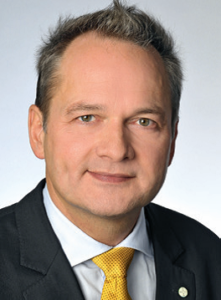 “What stands out most of all from this year’s Monitor is the recognition of the important operational and strategic contribution that communications makes to an organisation’s success, with more than 70% approval rates, with the communications function emerging as a key supporter for daily management and the operations of other departments,” said Herbert Heitmann, president of the European Association of Communication Directors (EACD). He added: “However, top management is not aware of the full range of contributions that communications can deliver. More efforts are necessary to close this expectation gap.”